Indie Game Boom: Discovering Hidden Gems & Supporting Creative Developers
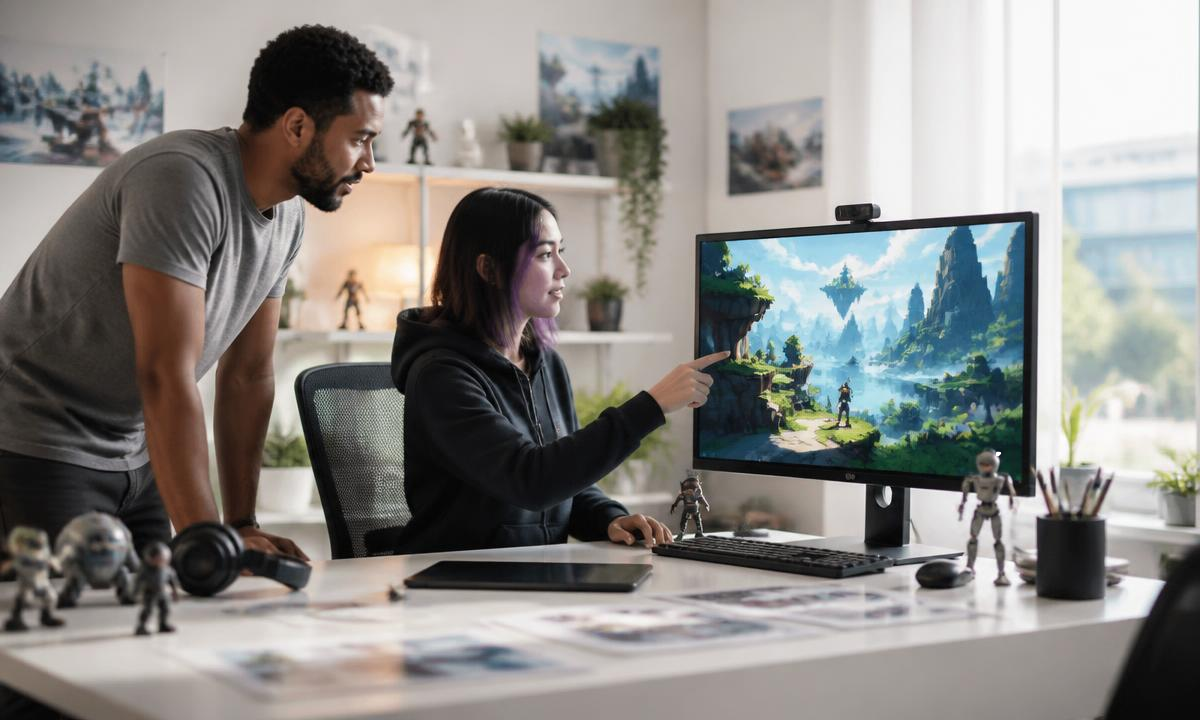
The rise of independent video games has transformed how enthusiasts discover, enjoy, and discuss digital entertainment. What was once considered a specialized niche now significantly influences mainstream tastes, introduces innovative concepts, and provides access to unique gaming experiences that larger developers might overlook.
For players across the United States, this trend offers exciting opportunities. The growth of independent studios means greater variety, more personal storytelling, and imaginative design. It also empowers gamers to directly support these creative voices, helping them thrive in an increasingly competitive market.
The Driving Forces Behind the Indie Game Boom
Accessibility in Game Development
A primary factor fueling the indie game boom is enhanced accessibility in development. Modern tools such as Unity, Unreal Engine, and GameMaker have significantly reduced technical barriers. This allows small teams, or even solo creators, to build polished projects without needing the vast budgets traditionally associated with game creation.
Digital distribution platforms have also revolutionized the market. Stores like Steam and Itch.io enable developers to reach global audiences without depending on physical retail. This fundamental shift changed not only how games are sold, but also who gains visibility.
Evolving Player Demands and Community Influence
Player demand is equally crucial. Many gamers actively seek experiences different from established franchises. They look for compelling storytelling, unusual mechanics, smaller-scale artistry, and deeply personal ideas. This appetite for originality helps explain why indie game trends consistently influence the broader gaming market.
Streaming culture has further accelerated this momentum. A creative indie title can spread rapidly through platforms like Twitch, YouTube, Discord, and Reddit. Instead of requiring massive advertising campaigns, many successful indie games grow through captivating clips, community buzz, and enthusiastic word-of-mouth from players sharing unexpected discoveries.
Dynamic Digital Discovery
While discoverability remains a challenge, it also adds to the excitement. Thousands of titles may compete for attention, yet curated storefront pages, festival demos, creator recommendations, and niche communities make finding new games more dynamic than ever. In some ways, the act of finding a hidden gem has become part of the entertainment itself.
This trend echoes discovery processes in other digital domains. Those who enjoy unearthing overlooked finds might also appreciate exploring specialized communities, similar to how niche online retailers and community platforms can offer surprising value when one knows where to look for hidden gems.
Why Explore Indie Games? Unlocking Creativity and Innovation
A World of Unique Experiences
One of the greatest advantages of playing indie games is the immense variety they offer. Independent studios frequently take risks with themes, mechanics, and visual styles that major publishers might deem too specific or unconventional. This creative freedom often results in games that feel deeply personal, surprising, and truly unforgettable.
Some indie successes achieve brilliance by mastering a single concept. Others stand out by innovatively combining various systems. Whether it is a farming simulator with profound emotional depth, a narrative-driven puzzle adventure, or a combat roguelike featuring sharp storytelling, indie projects often demonstrate that focused design can surpass sheer scale.
Games such as Stardew Valley, Hades, Hollow Knight, Into the Breach, and Outer Wilds are consistently celebrated in any indie game showcase for good reason. They exemplify innovation in game design, meticulous world-building, and strong player identity. These titles are not minor additions; they are central to modern gaming culture.
Beyond Entertainment: Community and Inclusivity
There is another significant reason why hidden indie gems matter: they strengthen communities. Fans often rally around smaller games because the discovery feels shared and more meaningful. Discussions shift from pure hype cycles to genuine shared experiences. If community is a beloved aspect of your gaming life, exploring gaming for everyone: exploring accessibility features and inclusive play in modern titles might also resonate with you.
Many indie projects also pioneer thoughtful accessibility features, whether through customizable controls, readability options, assist modes, or broader inclusive design principles. This makes the independent scene crucial not just creatively, but also socially. This focus highlights the importance of creating welcoming spaces for all players.
Finding Your Next Hidden Indie Gem
Leveraging Digital Platforms and Curators
To discover new indie games, begin by utilizing digital storefront tools effectively. Steam tags, user reviews, demo festivals, and personalized recommendation queues can surface projects you might otherwise overlook. Itch.io is particularly valuable for experimental works, game jam releases, and smaller passion projects that may never appear on mainstream charts.
Wishlists possess more power than many players realize. Adding upcoming indie games to your wishlist not only helps you track releases but also signals interest to store algorithms. This increased visibility can be incredibly impactful for small studios with limited marketing resources.
Another effective strategy is to follow curators rather than solely publishers. YouTubers, streamers, podcasters, and newsletter writers who specialize in independent games often perform the rigorous filtering for you. If you find a voice whose taste aligns with yours, your backlog of potential games will quickly expand.
Demo events and online festivals are also among the best platforms for indie game discovery. Events like Steam Next Fest, along with local showcases and digital conventions, allow players to test titles before launch. These spaces are ideal for spotting originality early, especially when a game lacks a substantial advertising push.
A Practical Discovery Approach
Consider this straightforward approach if you are wondering how to uncover hidden gem indie games. Start by browsing by niche tags instead of just top sellers, and actively play demos during online festivals. Make sure to follow indie-focused curators on various platforms like YouTube and Twitch, and regularly check community spaces such as Discord and Reddit for peer recommendations. Finally, explore the catalogs of publishers known for releasing creative and unique titles.
Maintaining an open mind about genres also proves beneficial. Some of the most beloved indie games become favorites precisely because they introduce players to styles they never expected to enjoy. A captivating puzzle adventure, a cozy simulator, or an intriguing narrative experiment could easily become the title you remember most throughout the year.
The Developers’ Journey: Craft, Challenges, and Community
The Creative Process and Pressures
Behind every remarkable indie game stands a creative team balancing artistic vision, business realities, and sheer survival. Sometimes, this team consists of a single dedicated individual. Other times, it is a small studio handling multiple roles simultaneously, managing design, coding, community engagement, marketing, and post-launch support with limited time and funding.
Consider the enduring admiration for developers like ConcernedApe, whose work on Stardew Valley demonstrated what sustained vision can achieve, or Supergiant Games, renowned for blending distinct style with narrative clarity. Their paths diverge, yet both exemplify a core truth: indie success often stems from focused craft, rather than excessive scale.
However, the romanticized image of independent creation can mask very real pressures. Funding is often uncertain, marketing proves challenging, and burnout is a common issue. Discoverability algorithms may prioritize momentum over genuine originality. For many creative game developers, crafting a great title is only half the battle; ensuring it gets seen is the other, equally demanding, half.
The Player’s Impact
This is precisely where audience behavior becomes vital. A thoughtful comment, a wishlist addition, a positive review, or a simple share can help transform a game from invisible to viable. In community-driven entertainment, player support is not abstract. It can directly influence whether a developer is able to create their next project.
There is a growing awareness that healthier communities foster healthier creation. Supportive player spaces mitigate harassment, encourage constructive feedback, and make developers feel their hard work is truly valued. Readers interested in this broader relationship between games and well-being can further explore the power of play: how user-generated content is reshaping the gaming landscape, highlighting player contributions.
Empowering Independent Game Creators
Practical Support Strategies
If you wish to support indie developers, purchasing their game is the obvious first step, but it is certainly not the only one. Small studios significantly benefit from a wider range of signals: wishlists, positive reviews, social media shares, active community discussions, and feedback that helps persuade others to give a game a chance.
Here are some of the most effective ways to support independent game developers in practical, low-friction methods. Actively wishlist upcoming titles on major storefronts, and buy directly when possible through official channels. Always leave a thoughtful review after playing, and generously share clips, screenshots, or recommendations with friends. Consider joining Discord servers or mailing lists to stay engaged, and if it aligns with your interests, back crowdfunding campaigns for games through platforms like Kickstarter or Patreon.
Reviews hold more weight than many players imagine. They enhance visibility, build trust, and help prospective buyers understand what makes a game truly special. A concise, honest review explaining why a title resonated with you can be far more valuable than a generic star rating alone.
Word of mouth remains one of the most powerful tools for indie success. Recommending a game to a friend, posting about it in a specialized forum, or mentioning it in a group chat can create significant ripple effects. This dynamic is quite similar to how player creativity spreads within gaming communities, emphasizing shared enthusiasm.
Smart Support and Value
For players managing entertainment budgets, indie gaming can offer exceptional value. Smaller games often provide dozens of memorable hours at more affordable prices than many blockbuster releases. If you enjoy thinking strategically about your gaming expenses, exploring how budgeting and financial skills can be learned from gaming economics connects gaming habits with practical money awareness.
Supporting wisely also means avoiding impulse purchases you might never play. Instead, focus on developers whose work genuinely captures your interest. Sustainable support benefits both you and the creators more profoundly than simply accumulating games that end up neglected in an untouched digital library.
The Evolving Landscape of Indie Gaming
Trends and Future Opportunities
Understanding the growth of the indie game market requires balancing optimistic excitement with practical realism. The scene is undeniably thriving, yet it is also highly crowded. Thousands of new releases compete for attention across numerous digital distribution platforms, and not every excellent game successfully reaches its intended audience. This necessitates increasingly effective curation, stronger community building, and thoughtful platform design.
Despite these challenges, the future appears promising. Current indie game trends suggest continued expansion in genre blending, artistic experimentation, and direct community involvement. Smaller developers frequently lead the way in exploring underserved audiences, novel storytelling structures, and innovative mechanics that larger studios often later adopt.
There is also considerable room for expansion through emerging technologies. Virtual Reality (VR), Augmented Reality (AR), cloud-connected features, and procedural systems can open fresh creative territories when utilized thoughtfully. Indies may not always command the largest technical budgets, but they often possess the agility to test ideas more rapidly and take more meaningful creative risks.
Within the United States, indie development continues to bolster local creative economies through the formation of new studios, freelance opportunities, event participation, and cross-disciplinary collaborations. Cities with robust tech and arts ecosystems remain important hubs, though remote collaboration has made the scene more geographically flexible than ever before.
Overcoming Visibility Challenges
The most significant challenge ahead remains visibility. Even exceptional work can disappear if storefront algorithms, unfortunate release timing, or marketing gaps prevent it from being seen. This underscores why players, creators, curators, and platforms all share a collective responsibility in shaping a healthier and more equitable discovery ecosystem.
For gamers, the opportunity is straightforward and impactful. You do not need industry power to influence the future trajectory of indie gaming. You simply need curiosity, attentive engagement, and a genuine willingness to recognize and reward originality when you encounter it.
Conclusion
The Indie Game Boom signifies much more than just an increase in game releases. It represents a surge of diverse voices entering the creative conversation, more innovative experimentation reaching players, and increased opportunities for hidden indie gems to become cherished, lasting favorites. This vibrant creative energy stands as one of the most exciting forces in modern entertainment.
If you desire greater variety in your gaming library, more personal storytelling, and truly innovative design, independent games undoubtedly warrant your attention. Furthermore, if you wish for these creative voices to continue flourishing, your support is crucial. Thoughtfully wishlist titles, make purchases when you can, leave genuine reviews, and enthusiastically share the games that genuinely move you.
Discover your next favorite indie game – explore new recommendations, support creative developers, and share your top hidden gems in the comments below.
About the author

Is a bilingual writer covering gaming, technology, and digital trends. Writing in English and German, he explores video games, new releases, gaming platforms, digital experiences, e-commerce, and emerging technologies, presenting these topics in a clear, accessible, and informative way.