Beyond the Game: Promoting Mental Health & Community Support in Gaming Cultures
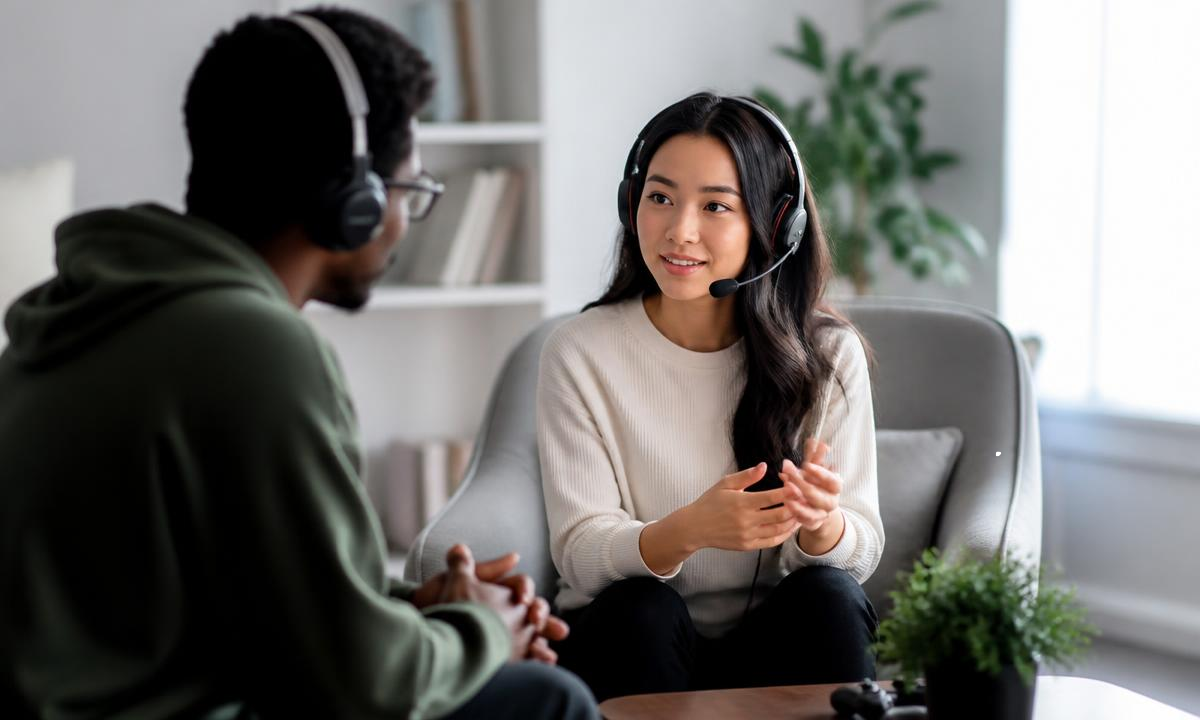
For millions across the United States, gaming is much more than just a pastime focused on scores or ranks. It offers a vital space to relax, connect with friends, express individuality, and belong to a larger community. This profound role highlights why discussions around mental health in gaming are increasingly essential and impactful.
While games can significantly support personal well-being, they also carry the potential to amplify stress. Factors like intense competition, harassment, burnout, or feelings of isolation can sometimes overshadow the positive aspects. A balanced approach to healthy play depends on cultivating good habits, fostering positive community norms, and ensuring access to appropriate support.
The conversation about gaming and mental health often simplifies a complex reality. It’s easy to label games as either detrimental distractions or utopian social havens. However, the truth lies in acknowledging that gaming culture presents both risks and opportunities for support. These dynamics can shift based on the individual player, their specific environment, and the external pressures they encounter.
This guide moves beyond simple stereotypes to offer a deeper exploration. It delves into gaming mental health support, emphasizing the crucial role of community connection. We also examine the unique pressures faced by both casual and competitive players. Finally, it outlines practical strategies to strengthen overall gamer well-being across various platforms, within families, and throughout the broader gaming industry.
The Evolving Dialogue Around Mental Health in Gaming
Growing Awareness in Gaming Spaces
Mental health discussions have become significantly more prominent within gaming over the last decade. Streamers now frequently speak openly about experiences with anxiety and stress. Esports teams, too, are increasingly addressing topics like recovery, performance fatigue, and overall well-being.
Community managers and moderators are shifting their focus beyond just enforcing rules. They are now paying closer attention to creating emotionally safe environments for players. This change is crucial, especially since many individuals already turn to games as a personal coping mechanism.
After a challenging school day, a demanding job, or a lonely week, logging into a game can provide a sense of structure and comfort. Cooperative play, familiar routines, and shared objectives often create a stable and emotionally meaningful experience for players seeking solace and connection.
The Role of External Organizations in Education
Research and expert insights have significantly helped to reshape the conversation around gaming and mental health. Organizations globally provide broader mental health education, helping families and communities engage in more thoughtful discussions about digital life and its impact.
For instance, valuable resources from the National Institute of Mental Health and the American Psychological Association offer essential guidance. These contributions help bridge gaps in understanding, fostering a more informed perspective on the interplay between gaming and psychological well-being.
Addressing Stigma Within Gaming Communities
Despite increased awareness, gaming spaces still contend with persistent stigma surrounding mental health. Some players may hesitate to admit feelings of burnout or depression, fearing they might be perceived as weak. Others worry about letting down friends or teammates if they step away from a guild or ranked ladder.
Promoting robust gaming community mental health means actively working to normalize these important conversations. Creating an environment where discussions about emotional well-being are safe and routine helps to dismantle barriers, encouraging more players to seek or offer support without fear of judgment.
Fostering Stronger Gaming Communities for Well-being
The Power of Social Connection in Gaming
One of the most valuable, yet often underestimated, benefits of gaming lies in its capacity for fostering deep connections. Within many online communities, players engage in activities far beyond simple match queues. They celebrate victories together, offer support after difficult days, and help each other master complex game mechanics.
These interactions often evolve into lasting friendships that transcend geographical boundaries and extend over many years. This unique form of social connection gaming can act as a powerful protective factor for mental health, combating loneliness and providing a sense of belonging.
Cultivating Supportive Online Environments
Strong, supportive gaming communities do not emerge by chance; they are intentionally built and maintained. Clear moderation policies, the use of inclusive language, and shared expectations among members are foundational elements. A Discord server, clan, or guild thrives when harassment is unequivocally addressed.
Furthermore, a healthy community embeds kindness as a core cultural value, rather than treating it as an optional bonus. This approach allows online gaming support to become a tangible, practical resource for players. Someone feeling overwhelmed might first confide in a trusted teammate or moderator.
In such a strong community, a message like “I’m not doing great” is met with genuine care and understanding, not ridicule. This initial step can be crucial, often preceding the decision to seek professional help. It underscores the immediate, accessible support that peer networks can provide.
Encouraging Diverse Play Styles and Reducing Pressure
The benefits of community support for gamer well-being extend beyond just emotional comfort. These groups can actively encourage healthy breaks and reduce feelings of isolation. They often promote better routines and help members recognize warning signs when someone withdraws or displays uncharacteristic hostility.
Healthy communities also embrace a wide range of player preferences. Not every gamer seeks intense competition; many prefer low-pressure cooperative nights, creative sandbox sessions, or simple social hangouts. Respecting diverse play styles significantly lowers the pressure that can otherwise lead to shame, exclusion, or exhaustion among players.
Recognizing and Navigating Gamer Mental Health Challenges
Understanding Varied Stressors for Players
Supporting well-being effectively begins with understanding that mental health struggles manifest differently for each individual. Some players may experience stress originating from school, work, financial concerns, or personal relationships. For them, gaming might serve as either a temporary relief or an avoidance mechanism.
Other gamers might contend with deeper issues such as depression, anxiety, past trauma, sleep disturbances, or chronic social isolation. These underlying conditions can profoundly influence how they engage with and experience their gaming activities, making it crucial to approach each situation with empathy.
Specific Challenges in Esports and Competitive Play
In the high-stakes world of competitive gaming, esports mental health requires particular attention and focused support. Players often face immense performance pressure, public scrutiny, and demanding training schedules. The constant fear of losing relevance or falling behind can create an unrelenting sense of strain.
Even amateur competitors can feel trapped by rigid ranking systems, intense scrim demands, and the continuous expectation for improvement. This environment can lead to significant psychological burdens, highlighting the need for specialized mental health strategies within esports.
Identifying Burnout and Toxicity in Gaming
Burnout stands out as one of the clearest and most prevalent warning signs among gamers. A player might continue logging in daily but feel a profound sense of numbness, irritation, or an inability to enjoy the experience they once loved. They may start viewing gaming as an obligation.
This shift can lead to snapping at teammates or treating every session as unpaid labor rather than fun. Learning how to effectively prevent gaming burnout is absolutely essential for maintaining a healthy, long-term balance and enjoyment in one’s gaming life.
Toxicity within gaming communities also represents a serious concern. Persistent harassment, derogatory language, social exclusion, and coordinated pile-ons can transform a beloved hobby into a source of dread. This stress can significantly impact younger players, marginalized communities, and public figures.
Such negative experiences often spill into offline life, potentially affecting self-esteem and making once-safe gaming spaces feel threatening. Addressing toxicity is vital for fostering environments where all players can thrive emotionally and socially.
Guidance for Parents and Guardians
Parents and guardians should focus on observing broader patterns in a child’s behavior, rather than immediately assuming gaming is the sole problem. Sudden changes like significant sleep loss, skipped meals, declining academic performance, withdrawal from friends, or extreme mood swings can signal underlying distress.
The objective is not to react with panic but to approach the situation with curiosity and open conversation. Providing proportionate support means understanding the root causes of distress, fostering a safe dialogue, and seeking appropriate help when necessary.
Empowering Gamers with Essential Resources and Tools
Making Support Accessible and Visible
A key strategy for improving mental health resources for gamers is to ensure support is highly visible and easily accessible long before a crisis occurs. Gaming communities can effectively achieve this by pinning resource channels within their platforms.
Streamers can regularly post relevant support links, and dedicated gaming websites can curate comprehensive help pages. Making these resources simple to find empowers individuals to seek assistance proactively when they need it most, fostering a culture of early intervention and care.
Key National and Gaming-Specific Support Organizations
For immediate or ongoing support needs within the United States, national organizations serve as crucial initial contact points. The SAMHSA treatment locator is an invaluable tool for finding mental health and substance use services.
Additionally, the National Alliance on Mental Illness offers extensive education, robust support, and practical guidance for individuals and their families. These organizations provide broad, essential services for a wide range of needs.
Gaming-specific advocacy groups have also successfully bridged cultural gaps, offering targeted support. Take This is widely recognized for its dedication to mental health within the gaming community. They provide insightful articles, educational materials, and practical resources specifically designed to meet players where they are.
Practical Wellness Tools and Personal Support Plans
Not all effective resources need to be clinical in nature. Wellness can also be significantly enhanced through practical tools readily available to gamers. These include focus timers, effective mute filters, moderation bots, and blue-light settings to protect eye health.
Scheduled breaks and maintaining private friend groups can also help reduce exposure to potentially hostile online spaces. Often, adopting a healthier technical setup and adjusting in-game settings serves as a powerful first step towards establishing a more balanced and positive daily routine.
Players can also proactively develop a personal support plan tailored to their needs. This might involve identifying one trusted friend to message during difficult times or setting clear time limits for competitive play. Developing a post-loss reset routine can also be very helpful.
Creating a list of personal warning signs that indicate it’s time to log off helps foster self-awareness. Simple, actionable systems like these frequently prove more effective and sustainable than making ambitious, dramatic promises for increased self-discipline.
Advocacy Across the Gaming Ecosystem: Developers, Streamers & Esports
Shaping Culture Through Design and Policy
Individuals who profoundly shape gaming culture, including developers, publishers, streamers, and tournament organizers, wield influence far beyond mere entertainment. Their choices directly determine which behaviors become normalized within their communities. If harmful patterns are ignored, they tend to proliferate.
Conversely, when these leaders actively model care and promote positive interactions, players take notice and often emulate those behaviors. Developers can significantly contribute to gaming culture support by implementing improved reporting systems and robust anti-harassment tools.
They can also design flexible communication settings and make deliberate choices to reduce avoidable in-game frustration. Helpful features might include cooldown reminders, transparent queue information, comprehensive parental controls, and simpler methods for blocking abusive users.
The Influence of Streamers and Content Creators
Streamers and content creators play a vital role in shaping the emotional tone of gaming interactions in real time. A creator who dismisses or laughs off acts of cruelty inadvertently signals to their audience that such behavior is acceptable. This can normalize negative interactions.
Conversely, creators who establish clear boundaries, discourage online harassment, and openly discuss the importance of rest and self-care model compassion. Their actions make empathy and emotional responsibility feel normal, rather than awkward or out of place, fostering a more positive community.
Prioritizing Mental Health in Esports Infrastructure
For esports organizations, treating mental health as a core component of performance infrastructure, rather than just a public relations concern, is paramount. Teams greatly benefit when players have access to well-structured rest planning and confidential counseling services.
Providing communication coaching and ensuring staff members deeply understand stress, conflict resolution, and recovery processes are also crucial. Sustainable high performance in esports rarely stems from constant, unmitigated pressure alone; it requires a holistic approach to player well-being.
The goal of these approaches is not to eliminate competition or intensity, but to acknowledge that players are individuals first. The most effective mental health strategies for esports players prioritize focus, adequate sleep, strong teamwork, and overall resilience without equating emotional struggle with failure.
Cultivating Healthy Gaming Habits for Everyone
Simple Habits for Players
Developing healthy routines is among the most powerful forms of gaming mental health support. These routines don’t need to be overly strict or diminish the joy of gaming. Their primary purpose is to establish habits that safeguard personal energy, sleep quality, mood stability, and vital relationships.
The aim is to ensure gaming remains a positive, enriching part of life, rather than overwhelming all other aspects. For players, a few practical habits can make a significant difference in fostering a balanced approach. Consider setting flexible start and stop times for gaming sessions, and make sure to take short breaks to rest and recharge after intense matches. Prioritize eating, hydrating, and stretching before extended play periods to maintain physical well-being. Actively mute or leave spaces that become toxic or abusive, protecting your mental peace.
Also, alternate between competitive and more relaxing, casual games. Always pay attention to when gaming ceases to feel restorative and enjoyable, as this is a key indicator to adjust your habits for better well-being.
Supportive Approaches for Parents and Guardians
Parents and guardians can significantly help their children without turning every conversation into a confrontation. Engaging with genuine curiosity, ask what aspects of a game your child enjoys and who they play with. Observe whether gaming appears to be a social, creative, and balanced activity.
Conversely, pay attention if gaming becomes a consistent source of agitation or leads to withdrawal from other activities. A highly effective family approach involves building routines that integrate gaming constructively, rather than positioning it as an adversary.
Agree on essential activities first, such as homework, adequate sleep, regular meals, and designated device-free moments. Then, seamlessly fit gaming into the day as one valued activity among many others. This method often proves more effective than relying solely on punishments or sudden bans.
For those seeking resources for parents of gamers mental health, focusing on open dialogue and thoughtful observation is key. If a child seems distressed, explore the underlying emotional context. Are they experiencing bullying within the game, or are they overwhelmed by school pressures?
Consider if gaming is being used as a self-soothing mechanism to cope with other unmanageable feelings. Understanding these nuances allows for more targeted and compassionate support for the child’s overall well-being.
Promoting Mental Health within Gaming Communities: Actionable Steps
If you’re wondering how to promote mental health in gaming communities, the most effective approach is to start small and remain consistent. Cultural shifts are rarely instantaneous; they develop through repeated and clear signals over time. A single supportive message might not transform an entire server.
However, a consistent adherence to shared standards gradually reshapes what members come to expect from each other. Community leaders are well-positioned to take practical and impactful steps to foster healthier environments for all players.
Community leaders are well-positioned to take practical and impactful steps to foster healthier environments for all players. This includes establishing and clearly communicating anti-harassment rules, and creating dedicated channels for support or emotional check-ins. Leaders should also encourage regular breaks during extended events or long sessions. Visibly posting crisis intervention and counseling resources is crucial.
Furthermore, training moderators to respond calmly and consistently to issues helps maintain a respectful atmosphere. Celebrating helpful and kind behavior, rather than focusing solely on raw skill or performance, reinforces positive community values and enhances overall well-being.
Individual players also have a crucial role to play in this collective effort. Make it a practice to check on friends after particularly challenging or rough gaming sessions. Refrain from rewarding cruelty or toxicity with laughter, which can inadvertently reinforce negative behaviors.
Always report abuse when you witness it, contributing to a safer environment. Importantly, respect when someone communicates a need for time away from gaming. These seemingly minor actions collectively forge the everyday environment where genuine support for mental health issues in gamers truly becomes a reality.
Furthermore, traditional offline institutions like schools, libraries, youth groups, and campus clubs can significantly contribute. They can host gaming events that deliberately incorporate wellness practices. This might include structured breaks, inclusive moderation, and designated quiet spaces.
These events also offer opportunities for open conversations about healthy play habits. When offline institutions engage thoughtfully with gaming culture, they help bridge the gap between virtual communities and real-world care, expanding the reach of mental health support.
A Collaborative Path Towards Enhanced Gamer Well-being
Gaming is intrinsically linked to real life; it’s a fundamental aspect of how individuals relax, compete, forge identities, and maintain connections. Consequently, mental health in gaming is far from a niche concern. It is a pervasive community issue, a critical design consideration, and a family matter.
For countless individuals, it directly impacts their daily quality of life and overall well-being. The encouraging news is that positive change doesn’t demand perfect, instantaneous solutions. Even incremental improvements can make a substantial difference in fostering better outcomes.
Enhanced moderation practices, the adoption of healthier routines, greater visibility of crucial resources, and more honest conversations can all significantly improve overall gamer well-being. The most resilient and supportive gaming spaces are not those entirely free from struggle or conflict.
Instead, they are the communities equipped with the understanding and tools to respond to challenges with genuine care and effective support. Whether you are a player, a parent, a content creator, an educator, or a game developer, your unique role holds significant influence.
Every message you send, every rule you uphold, every habit you cultivate, and every design choice you make helps shape the gaming experience for others. Beyond the game itself, this shared responsibility is precisely where authentic community and lasting support truly begin to flourish.
If you or someone within your gaming circle requires assistance, please consider exploring professional and peer support resources early on. Reaching out for help is not an overreaction; it is often the wisest initial step toward achieving greater balance, fostering recovery, and cultivating a more sustainable, healthier relationship with play.
About the author

Is a bilingual writer covering gaming, technology, and digital trends. Writing in English and German, he explores video games, new releases, gaming platforms, digital experiences, e-commerce, and emerging technologies, presenting these topics in a clear, accessible, and informative way.