
Data Security in E-Payments: Protecting Your Finances Online.
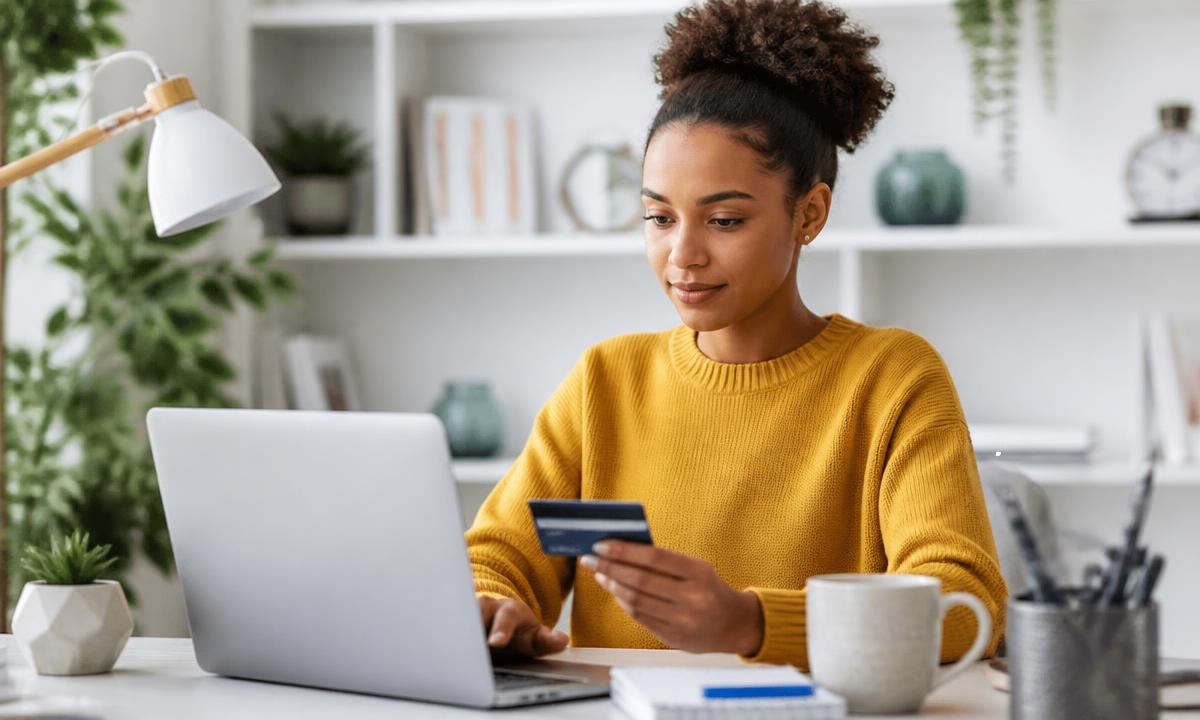
Online payments have become a constant in daily life, from groceries to subscriptions and digital wallets. This convenience saves time and reduces friction for many. However, this ease also creates opportunities for cybercriminals, making data security in e-payments a practical concern for nearly everyone. Understanding how to safeguard your financial information online is more important than ever.
Many wonder, “is it safe to pay online with a credit card?” The straightforward answer is often yes, especially when combining trusted payment systems with strong personal habits. The greater risk frequently stems from weak passwords, phishing attempts, insecure devices, or deceptive websites, rather than the underlying payment technology itself.
This guide aims to explain the most crucial aspects of e-payment security in clear language. You will explore the sources of online payment risks and discover how secure digital transactions function. We will also cover essential habits for effective online financial protection and outline steps to take if something unexpected occurs.
Understanding the Evolving Landscape of E-Payment Risks
Online payments swiftly transfer sensitive data across various platforms, including apps, websites, processors, and banks. This speed is beneficial, yet a minor error can propagate rapidly. Fraudsters continuously seek the easiest vulnerabilities, whether it is a hurried shopper, an outdated phone, or a compromised merchant account.
The Rise of Online Payment Fraud and Scams
Effective online payment fraud prevention begins with understanding common methods of fraud. Most scams are not complex hacks but rather straightforward deceptions designed to trick individuals. They often aim to make you click a malicious link, reveal a one-time code, or input card details onto a fake checkout page.
Common fraud tactics include phishing emails that imitate banks or retailers, along with smishing and vishing via text or phone. Account takeovers happen when criminals use stolen passwords. Card-not-present fraud involves unauthorized purchases without a physical card. Additionally, fake stores are created solely to collect payments and personal data.
Common Vulnerabilities: Phishing, Malware, and Public Wi‑Fi
Some of the most prevalent security weaknesses are surprisingly common. Using a public Wi-Fi connection, an unupdated browser, or a mobile app from an unofficial source can all create vulnerabilities. This highlights why cybersecurity for online payments relies as much on user behavior as it does on technological safeguards.
Malware can silently capture login details or payment information without your knowledge. Public networks might expose your internet traffic to interception by malicious actors. Phishing messages often generate a false sense of urgency, pressuring you to “verify” an account immediately. Recognizing this pressure and slowing down is a robust defense.
Data Breaches: A Constant Threat to Personal Information
Even diligent users can experience the consequences of a merchant or service provider suffering a data breach. Such incidents can expose card numbers, email addresses, passwords, or billing details. While robust data breach prevention in e-payments by businesses is vital, consumers still require personal safeguards. These include transaction alerts, account monitoring, and using unique, strong passwords.
For a comprehensive perspective on current cyber hygiene guidelines, the Cybersecurity and Infrastructure Security Agency offers practical security recommendations. These guidelines apply effectively to the realm of online payments as well.
Core Principles of Secure Digital Transactions
Secure systems are typically constructed in layers, meaning a payment is not protected by a single tool alone. Instead, digital payment security depends on various technologies working collaboratively. These often include encryption, advanced authentication methods, tokenization, and continuous fraud monitoring.
The Power of Encryption: How Your Data Stays Private
Encryption transforms readable information into coded data, making it difficult for unauthorized parties to interpret or use. When entering card details on a secure checkout page, encryption helps safeguard that information as it travels between your device and the payment processor. This process is fundamental to privacy.
While encryption is an essential component, it represents only part of the overall security picture. A website might utilize encryption but still be fraudulent if its purpose is to deceive users. Therefore, secure online transactions depend on both advanced technical security and informed user awareness.
Two-Factor Authentication as Your Digital Gatekeeper
Two-factor authentication, commonly known as 2FA, adds a crucial second step to the login process. After entering your password, you might be prompted for a fingerprint, a face scan, a code from an authenticator app, or a temporary code sent via text. This additional verification can effectively stop an attacker, even if your password has been compromised.
Whenever feasible, it is advisable to use an authenticator app or a device-based prompt instead of relying solely on SMS for codes. While text-based codes offer some protection, they can be more susceptible to interception or SIM-related scams compared to app-based methods.
The Role of Secure Payment Gateways and PCI DSS Compliance
Reputable merchants generally partner with secure payment gateways that facilitate safe transaction processing. These advanced systems often incorporate features like tokenization, comprehensive risk screening, and sophisticated fraud detection tools. Businesses handling card data are also expected to adhere to PCI DSS compliance standards, which are specifically designed to minimize exposure to payment card theft.
Further information about the payment card security framework can be found from the PCI Security Standards Council. Although consumers do not manage compliance directly, choosing businesses that prioritize payment security significantly reduces avoidable risks for their customers.
Practical Steps: How to Actively Protect Your Finances Online
If you are looking for guidance on how to protect finances online, a consistent set of simple habits can dramatically enhance your security. You do not need to be a technical expert to implement these measures. A straightforward routine is often all that is required to make a significant difference.
Master Password Hygiene
Employ a strong, unique password for every financial account, online shopping platform, and digital wallet. Reusing passwords creates a ripple effect: if one site experiences a breach, attackers may attempt to use the same password on your bank, payment app, or email accounts, compromising multiple services.
Consider using a password manager to effortlessly create and securely store long, complex passwords. It is also wise to avoid easily guessable patterns like names, birthdays, or sequential numbers. Change passwords promptly following any breach notification, and prioritize protecting your email account, as it often controls password reset functions for other services.
Enable 2FA Across All Important Accounts
Activate 2FA for your bank, primary email, all payment apps, retailer accounts, and mobile wallet. Begin with accounts that could directly facilitate money movement or identity theft. This step represents one of the simplest yet most impactful actions you can take in protecting online payments.
It is highly recommended to implement these security measures today rather than postponing until suspicious activity occurs. Proactive security efforts are always more effective and manageable before a problem has a chance to develop.
Shop Smart on Secure Websites
One of the most effective tips for secure online shopping involves taking a moment to pause before completing a purchase. Always look for a legitimate web address, the “HTTPS” indicator in your browser, consistent branding, a genuine contact page, and realistic pricing. Extremely steep discounts, especially on unfamiliar websites, can often signal a warning.
Exercise caution with “trust badges” displayed on websites. Some fraudulent sites merely copy legitimate logos, rendering them meaningless. Instead of relying solely on graphics, independently verify the business through customer reviews, search engine results, and provided contact information.
Monitor Statements and Alerts
Regularly review your bank and credit card activity. Small, unauthorized charges sometimes appear first as a test before criminals attempt larger fraudulent transactions. Activating real-time transaction alerts can help you quickly detect suspicious payments and minimize potential damage.
Aim to check your statements at least weekly, especially if you use digital payments frequently. Enable push notifications for all purchases and transfers to receive immediate alerts. Promptly report any unfamiliar charges, and maintain thorough records of when and where you disputed transactions; good documentation simplifies the resolution process.
Outsmart Phishing Attempts
Phishing attacks succeed by creating a false sense of urgency and exploiting trust. A message might falsely claim your account is locked, a refund is pending, or a purchase requires immediate confirmation. Instead of clicking any links within such messages, navigate directly to the official website or app to check your account status.
Key warning signs of phishing include misspellings, unusual sender addresses, pressure to act quickly, and requests for one-time verification codes. A legitimate bank or payment provider will never ask you to share a security code via email or text message replies.
The Federal Trade Commission’s scam guidance serves as a reliable resource for identifying common fraud patterns and reporting suspicious activities. Utilizing such resources can significantly bolster your defenses against these deceptive tactics.
Keep Devices and Software Updated
Software updates are not merely about new features; they frequently patch known vulnerabilities that cybercriminals actively exploit. It is crucial to keep your phone, laptop, web browser, banking applications, and antivirus tools consistently updated. Where practical, enable automatic updates to ensure continuous protection.
If a device no longer receives essential security updates, it is advisable to avoid using it for sensitive financial transactions. Outdated software can silently undermine otherwise secure payment habits, leaving your data exposed to known threats.
Use Mobile Payments and Digital Wallets Carefully
Digital wallets can actually enhance security when utilized correctly, often employing tokenization instead of sharing your actual card number with each merchant. However, your phone becomes a central access point to your financial life. Therefore, protect it with a strong screen lock, biometric login, and remote wipe capabilities.
Only install payment applications from official app stores. Carefully review app permissions before granting them, remove any unused financial apps, and try to avoid storing card data in too many locations. Fewer stored payment points generally translate to reduced exposure to potential threats.
Avoid Risky Public Wi‑Fi for Sensitive Transactions
Public internet connections offer convenience, but they are generally not suitable for banking, making card payments, or altering account settings. If you must conduct a payment away from home, using cellular data is typically a safer option than connecting to an open public network.
If public access is absolutely unavoidable, consider using a trusted Virtual Private Network (VPN) and ensure transactions are completed exclusively through official applications or verified websites. This added layer of protection can significantly mitigate the risks associated with insecure public networks.
What to Do If Your E-Payment Data Is Compromised
Even with the strongest security habits, not every risk can be entirely eliminated. If you suspect a payment account or card has been compromised, acting quickly is paramount. Prompt action can significantly limit potential financial losses and improve the likelihood of a successful recovery.
Immediate Actions: Secure Accounts and Notify Providers
If available, immediately lock or freeze the affected card through your banking app. Change passwords for the compromised account and any associated email addresses. Log out of other active sessions or devices where the account might be logged in. Most importantly, contact your bank, card issuer, or payment app provider without delay. Also, thoroughly review recent transactions for any unfamiliar activity.
If you reused the same password on other platforms, ensure you change those accounts’ passwords as well. Account takeovers frequently spread from one exposed login to another, particularly when individuals employ identical credentials across multiple services.
Reporting Incidents: Where and How to Get Help
For unauthorized transfers or payment errors, your consumer rights often depend on how promptly you report the issue. The Consumer Financial Protection Bureau offers valuable guidance related to electronic fund transfers, dispute resolution processes, and various financial account concerns.
You may also need to file reports with the merchant, the payment platform involved, and, in some cases, identity theft resources or law enforcement agencies. Remember to save all relevant screenshots, emails, and timestamps. Comprehensive records make the dispute resolution process considerably smoother and more effective.
Recovering From Identity Theft
Should stolen payment data lead to broader identity misuse, it is crucial to place a fraud alert on your credit file. Regularly review your credit reports and meticulously document every step you take in the recovery process. Identity theft can extend beyond a single fraudulent purchase, potentially leading to new account openings or tax-related fraud, making organized tracking essential.
Do not assume the problem is entirely resolved once a compromised card is replaced. Continue to diligently monitor your statements, email security, and any linked payment services for several weeks following the incident. Vigilance remains key to long-term recovery.
The Future of E-Payment Security: Innovations and Trends
The next phase of e-payment security will likely feel less noticeable to consumers but will be more adaptive in the background. Payment providers are increasingly deploying layered intelligence to proactively detect suspicious behavior before a transaction can even be finalized, enhancing protection significantly.
Biometric Authentication and Advanced AI Fraud Detection
Fingerprint scans, facial recognition, and device-based identity verification are becoming more prevalent due to their speed and difficulty for attackers to duplicate compared to static passwords. Concurrently, improved fraud detection systems, powered by advanced AI, can analyze transaction timing, device behavior, location patterns, and account history in real-time.
This evolution does not signify the disappearance of fraud. Instead, it indicates that the fight against financial crime is becoming more dynamic. Security systems continuously learn from emerging attack patterns, while criminals concurrently develop and test new methods, creating an ongoing technological arms race.
Blockchain and Decentralized Payment Systems
Blockchain-based payment models continue to garner interest because of their inherent transparency and robust record integrity. In specific use cases, decentralized systems might offer enhanced auditability or support specialized payment workflows. However, mainstream consumer safety ultimately relies on practical considerations such as account recovery, regulatory frameworks, and effective scam prevention, not solely on the underlying ledger design.
Essentially, while future-oriented technology can provide valuable assistance, the fundamental principles of security remain constant. It is vital to verify information, keep software updated, monitor accounts diligently, and always employ layered protection strategies. These core habits form the bedrock of enduring online financial safety.
Frequently Asked Questions
Is it safe to pay online with a credit card?
In many situations, yes. Credit cards often provide robust fraud protections, including dispute rights and limited liability for unauthorized charges when reported promptly. They are generally considered safer than directly transferring money from a bank account to an unfamiliar seller.
What is the safest way to make online payments?
The optimal method often varies by situation. However, trusted credit cards, reputable digital wallets, and well-known payment processors are typically strong choices. Combining these with unique passwords, 2FA, statement alerts, and careful merchant verification offers comprehensive protection.
How often should I check my accounts?
If you frequently use digital payments, conducting weekly reviews is a prudent baseline practice. Real-time transaction alerts offer an even greater advantage, as they can immediately flag any suspicious activities, allowing for swift action.
What is the first sign that an account may be compromised?
Early warning signs can include unexpected login notifications, password reset emails you did not request, small unexplained charges, suddenly locked accounts, or messages asking for verification codes. Promptly recognizing these indicators is crucial.
Final Thoughts
Achieving online financial protection is not about fear, but about cultivating consistent, smart habits. The most effective strategy for ensuring secure online transactions is layered and practical. This involves using strong, unique passwords, activating two-factor authentication, carefully verifying websites, avoiding risky public networks, diligently monitoring your accounts, and responding swiftly when anything seems amiss.
The convenience of e-payments is undoubtedly here to stay, as is the continuous need for intelligent digital caution. By enhancing your everyday payment habits, you make yourself a less attractive target for cybercriminals. This proactive approach significantly reduces the opportunities for fraud to take hold and grow.
Consider exploring additional security guides on effective password creation, phishing awareness, and VPN usage to strengthen your knowledge further. Sharing this article with someone who regularly shops or banks online can also make a genuine difference. Small, informed actions contribute significantly to a safer digital environment for everyone.
Disclaimer: This article is for informational purposes only and does not constitute legal, financial, or cybersecurity advice.
About the author

Is a bilingual writer covering gaming, technology, and digital trends. Writing in English and German, he explores video games, new releases, gaming platforms, digital experiences, e-commerce, and emerging technologies, presenting these topics in a clear, accessible, and informative way.



