Gaming Beyond Play: Building Communities & Friendships in Online Worlds
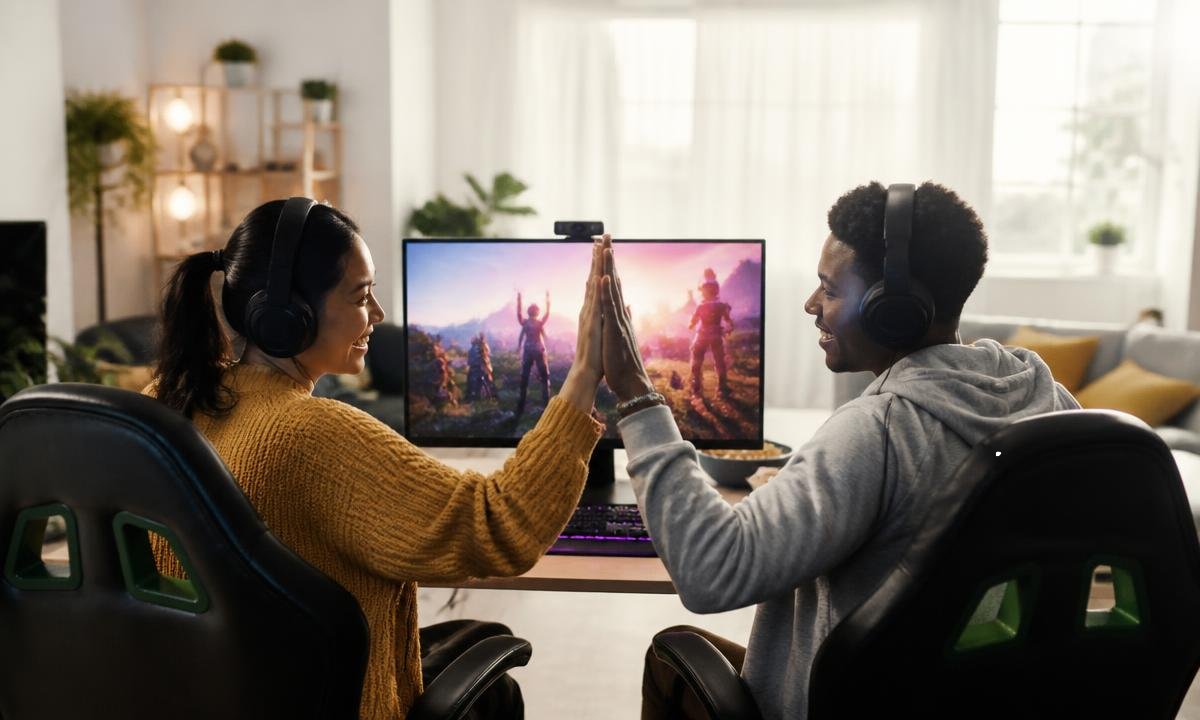
The popular discourse around online games often centers on their technical aspects like graphics, gameplay mechanics, and competitive elements. However, for many individuals, the true motivation to log in extends beyond simply advancing levels. It’s frequently about connecting with familiar faces and engaging with a known community. What begins as a shared match, a raid, or a mission can subtly evolve into a significant part of one’s daily social routine.
This shift underscores the profound importance of online gaming communities today. In the United States, gaming has transcended its former status as a niche pastime. It has become a vast social arena where people communicate, collaborate, share laughter, solve intricate problems, and build enduring trust over extended periods.
As a result, friendships forged within gaming spaces now stand alongside those made in schools, workplaces, or local neighborhoods. In some instances, these digital relationships can feel even more robust. They are often cultivated through consistent teamwork, mutual objectives, and regular, meaningful communication, demonstrating that virtual worlds can indeed foster very real connections.
The Evolution of Gaming: Beyond Individual Play
Gaming was not always the deeply interconnected medium known today. Early experiences were often solitary or localized, with multiplayer capabilities limited by technology, geographical constraints, or scheduling challenges. With advancements in internet access and the continuous evolution of gaming platforms, games naturally became less isolated and inherently more social in their design.
Innovations such as voice and text chat, integrated guild systems, sophisticated matchmaking, and cross-platform compatibility fundamentally altered the rhythm of play. Players began to establish routines centered around group activities. A shared dungeon run, a ranked queue, or a challenging survival session transformed into opportunities for social interaction as much as for achieving gameplay objectives.
This is a key factor in the continued growth of social gaming. Many games intrinsically reward coordination, effective communication, and sustained participation. Such systems organically create situations where players recognize each other, recall past adventures, and progressively develop online connections that feel deeply personal rather than merely transactional interactions.
Research consistently supports this expanded view of gaming. The Entertainment Software Association has highlighted that many players actively use games to connect with friends and family. This illustrates how gaming now functions as a vital social channel, complementing its role as entertainment.
The social dimension of play also intertwines with broader conversations about well-being and belonging. For deeper insights into this aspect, discussions on mental health and community support within gaming cultures often explore how digital environments provide encouragement and shared understanding.
The Deep Impact of Online Gaming Communities
A significant benefit derived from online gaming communities is a powerful sense of belonging. Many individuals actively seek environments where they can consistently participate, be acknowledged, and feel genuinely useful. Games naturally cultivate this through structured elements like parties, guilds, clans, and recurring team-based activities.
This sense of belonging can be particularly impactful for players navigating loneliness, demanding schedules, or limited local social opportunities. The simple act of logging into a favorite game and hearing familiar voices can provide immense comfort and a welcome sense of predictability. In this way, the social advantages of online gaming extend beyond mere enjoyment to include significant emotional support.
Online communities also enhance the accessibility of forming friendships. For some players, face-to-face social encounters can be challenging. Digital spaces effectively lower this barrier, allowing individuals time to become comfortable, contribute meaningfully through gameplay, and connect over shared interests rather than relying solely on small talk.
Mental Health Benefits & Support Networks
A healthy community can evolve into a crucial support network. Friends established through games often notice subtle changes, such as when someone is unusually quiet, absent, or expresses frustration. While this doesn’t replace professional assistance, it can foster meaningful moments of care, encouragement, and vital check-ins.
This form of support highlights why virtual gaming friendships warrant serious consideration. The emotional value of a friendship is not dictated by its origin, whether it began in a physical room or a digital lobby. What truly matters are the core elements of consistency, trust, empathy, and mutual respect that underpin the bond.
Historical data from the Pew Research Center also indicated that a substantial number of adult gamers had successfully formed friendships through online play. While older studies offer valuable context rather than a complete contemporary picture, they consistently demonstrate a long-standing pattern of connection facilitated by games.
Skill Development & Collaborative Play
Gaming communities offer more than just opportunities for conversation. They also significantly sharpen valuable real-world soft skills. Team-oriented games intrinsically reward effective communication, strong leadership, adept conflict management, strategic planning, and crucial adaptability. Players learn to articulate ideas clearly, provide support to teammates, and respond efficiently under pressure.
This skill development is particularly evident in large-scale raids, competitive team modes, and cooperative survival games. Often, one player might lead strategy, another could coordinate essential resources, and a third might focus on maintaining team morale. Over time, these distinct roles build individual confidence and practically demonstrate how effective collaboration functions.
The transferability between gaming and life skills is notable. These interactive environments provide a unique training ground. Players can experiment with different approaches to problem-solving and teamwork, refining their abilities in a dynamic and engaging context.
Shared Experiences & Lasting Bonds
Some friendships gradually develop through routine interactions, while others form rapidly during unforgettable, high-impact moments. A dramatic in-game comeback, a triumphant late-night victory, a memorable boss fight that evolves into a recurring inside joke, or an extensive creative building project in a sandbox world can all create shared memories that deeply resonate.
These experiences are vital because friendships often thrive on repetition and emotional engagement. Games inherently provide both. They offer low-pressure, consistent opportunities for players to engage, alongside delivering exciting or humorous experiences that become integral to a group’s shared narrative and identity.
This explains why forming friendships in online games often feels natural and unforced. Rather than asking people to connect abstractly, games provide a concrete shared activity. This shared action frequently serves as an initial gateway, opening the door to deeper trust and genuine camaraderie.
Cultivating Thriving Gaming Communities
For those aiming to build lasting gaming community spaces, the initial focus should extend beyond mere numbers. While a large server, clan, or extensive friend list might appear impressive, truly healthy communities are fundamentally built upon a positive culture. Individuals remain where they feel genuinely welcome, respected, and included.
Strong online gaming communities typically possess a clear identity. This doesn’t imply strict rules or intense branding, but rather that members intuitively understand the group’s general tone and purpose. Is it casual and beginner-friendly? Highly competitive yet respectful? Primarily focused on one game title, or open to a variety of experiences?
When these expectations are clearly established, individuals can integrate more comfortably. This clarity helps improve member retention, minimizes potential conflicts, and assists new participants in understanding how best to engage. Ultimately, culture is the transformative element that converts a loose collection of players into a recognizable and cohesive community.
Leading by Example: Fostering a Positive Atmosphere
Community leaders exert a greater influence on the group’s atmosphere than they might realize. Whether managing a guild, moderating a Discord server, or simply organizing game nights, a leader’s behavior sets crucial standards. Patience, a welcoming attitude, and fairness in actions strongly encourage others to mirror these positive behaviors.
Effective positive leadership involves adopting simple yet powerful habits. These include genuinely greeting new members, clearly explaining any rules, celebrating collective teamwork rather than solely individual wins, promptly addressing instances of disrespect, and actively encouraging quieter players to participate and contribute their perspectives.
Creating positive gaming communities is rarely achieved through one grand gesture. Instead, it is typically the cumulative result of numerous small, consistent actions. These repeated efforts collectively help individuals feel sufficiently safe and valued to fully engage and contribute to the group.
Utilizing In-Game Tools & External Platforms
While games provide the initial framework, many friendships deepen significantly outside the immediate gameplay session. Platforms like Discord, dedicated forums, group chats, and streaming communities offer essential spaces for individuals to communicate, plan events, share highlights, and maintain connections between gaming sessions.
These external tools prove especially valuable for large MMORPG communities and stable, long-term multiplayer groups. While in-game chat serves well for quick coordination, external platforms provide crucial continuity. They enable members to request assistance, welcome new arrivals, post activity schedules, and cultivate a stronger, shared group identity.
Streaming environments can also introduce players to entirely new social circles. Viewers who appreciate similar content creators or game genres often develop friendships rooted in shared humor, common values, and enthusiasm for particular games. This dynamic explains why online social platforms for gamers are now nearly as important as the games themselves.
Organizing Engaging Events & Collaborative Activities
A community gains greater durability and cohesion when it establishes regular rituals. Weekly cooperative game nights, dedicated beginner help sessions, seasonal tournaments, creative screenshot contests, or informal voice chat hangouts all provide compelling reasons for members to consistently return and engage.
Events need not be elaborate or overly complicated. The key factor is consistency. Regular activities generate momentum and reassure players that the group remains active and dependable. This steady rhythm is fundamental for building an online gaming community that enduring far beyond an initial burst of excitement.
Discovering Your Gaming Tribe: Platforms and Games
Not every game facilitates social connection in the same manner. Some excel at fostering quick competition, while others are ideally suited for longer conversations and sustained teamwork. Selecting the appropriate gaming environment can significantly influence success if the primary goal is to forge meaningful gaming friendships.
The most effective online games for making friends typically share several common characteristics. They actively encourage cooperation, reward clear communication, and consistently bring the same players together. Persistent game worlds, long-term progression systems, and integrated community events also substantially increase the likelihood of forming lasting friendships.
MMORPGs: Epicenters of Social Interaction
Massively Multiplayer Online Role-Playing Game (MMORPG) communities remain premier examples of long-form social gaming. These expansive games are inherently structured around shared virtual spaces, collective objectives, and continuous character progression. Players routinely join guilds, learn specialized roles, assist each other in acquiring gear, and often dedicate months or even years within the same persistent world.
This foundational structure supports both casual and profound connections. A player might initially seek assistance with a dungeon, then gradually become a consistent participant within a guild. Over time, everyday interactions and cooperative routines can naturally transform strangers into close and trusted friends.
Co-op & Competitive Multiplayer: Building Bonds Through Action
Cooperative shooters, survival games, Multiplayer Online Battle Arenas (MOBAs), and team-based competitive titles also cultivate strong bonds among players. Even when individual matches are relatively short, the inherent demand for teamwork in online games encourages rapid communication and the quick establishment of trust.
Some of the most robust communities coalesce around consistent squad play. A team that regularly plays together often develops its own unique communication shorthand, shared expectations, and habitual strategies. These established patterns can forge surprisingly strong online gaming connections, even within the fast-paced nature of competitive titles.
Streaming Platforms & Content Creator Communities
Not all social gaming communities originate directly within a game client. Many begin to form around content creators on platforms like Twitch, YouTube, or similar services. Viewers often connect through live chat, dedicated Discord servers, and organized community events hosted by these creators.
These spaces are particularly valuable for adult gaming communities seeking flexibility. Not everyone can commit to rigid raid schedules or prolonged nightly gaming sessions. Creator communities frequently offer more relaxed ways to participate, while still providing ample opportunities for genuine social connection and interaction.
These communities also naturally intersect with emerging digital landscapes. Individuals curious about the convergence of social play and digital economies might explore Metaverse Marketplaces: E-commerce Opportunities in Virtual Gaming Worlds for a broader perspective on the future trajectory of these online ecosystems.
Navigating Challenges: Ensuring Inclusive and Safe Online Spaces
Any candid discussion about online gaming communities must acknowledge their inherent challenges. Issues such as toxicity, harassment, exclusion, various scams, and privacy risks can swiftly erode trust and undermine positive experiences. A technically excellent game does not automatically guarantee a healthy social environment.
This highlights the critical importance of digital citizenship in gaming. Players, moderators, game developers, and content creators all significantly influence whether an online space feels genuinely welcoming and safe. Effective communities do not ignore harmful behaviors; instead, they establish clear boundaries and respond decisively when those boundaries are breached.
Simple safety practices contribute significantly to a secure environment. These include avoiding premature oversharing of personal information, diligently utilizing platform privacy settings, promptly reporting instances of harassment and scams, joining groups with visible and active moderation, and leaving spaces that repeatedly condone or tolerate abusive behavior.
The Role of Inclusivity and Accessibility
Inclusivity demands active and ongoing attention. Cultivating an environment that welcomes diverse ages, backgrounds, skill levels, identities, and communication styles significantly strengthens communities. Accessibility features are also paramount, as individuals cannot fully participate if design choices inadvertently block their access.
For a comprehensive understanding of inclusive design, resources like Gaming for Everyone: Exploring Accessibility Features and Inclusive Play in Modern Titles emphasize how improved access benefits both gameplay and community engagement.
Healthy moderation should never feel like arbitrary control. At its best, it serves to protect the community’s core purpose and values. It instills confidence in members, assuring them they can speak, learn, and play without fear of being targeted. This fundamental trust is essential for supporting the lasting virtual friendships that gaming can foster.
The Enduring Legacy of Gaming: A Social Frontier
Gaming culture is poised to become even more social as technological advancements continue. Cross-platform systems already enable more friends to stay connected regardless of their chosen device. Enhanced voice communication tools, shared virtual spaces, and persistent digital identities further reduce barriers between gameplay and social interaction.
The future may also introduce richer virtual reality social experiences, more intelligent matchmaking algorithms, and robust moderation tools powered by artificial intelligence. If implemented thoughtfully, these innovations could make communities easier to discover, safer to join, and more responsive to the varied needs of different players.
Crucially, the fundamental appeal will remain constant. Individuals are not solely seeking superior graphics or larger game maps. They are searching for spaces where they can genuinely belong. This intrinsic human desire is the deeper reason why online gaming communities continue to hold such profound significance.
For countless players, games have transformed into essential meeting places, engaging hobby spaces, vital support networks, and consistent sources of enduring friendship. While the screen may be digital, the laughter, trust, and mutual care shared through it are undeniably and profoundly human.
If there was ever doubt about gaming’s capacity to forge meaningful relationships, the evidence is abundant. It’s visible in lively guild chats, memorable late-night cooperative sessions, thriving community servers, and friendships that transcend any single game title. Gaming has indeed progressed far beyond mere play, and this evolution may be one of its most remarkable achievements.
Join the conversation and share: what is your most memorable gaming friendship, and which game or community helped it flourish?
About the author

Is a bilingual writer covering gaming, technology, and digital trends. Writing in English and German, he explores video games, new releases, gaming platforms, digital experiences, e-commerce, and emerging technologies, presenting these topics in a clear, accessible, and informative way.